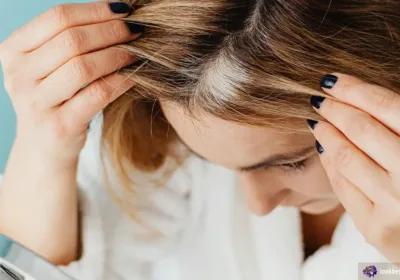
Why Is My Hair Thinning? Causes Women Often Overlook
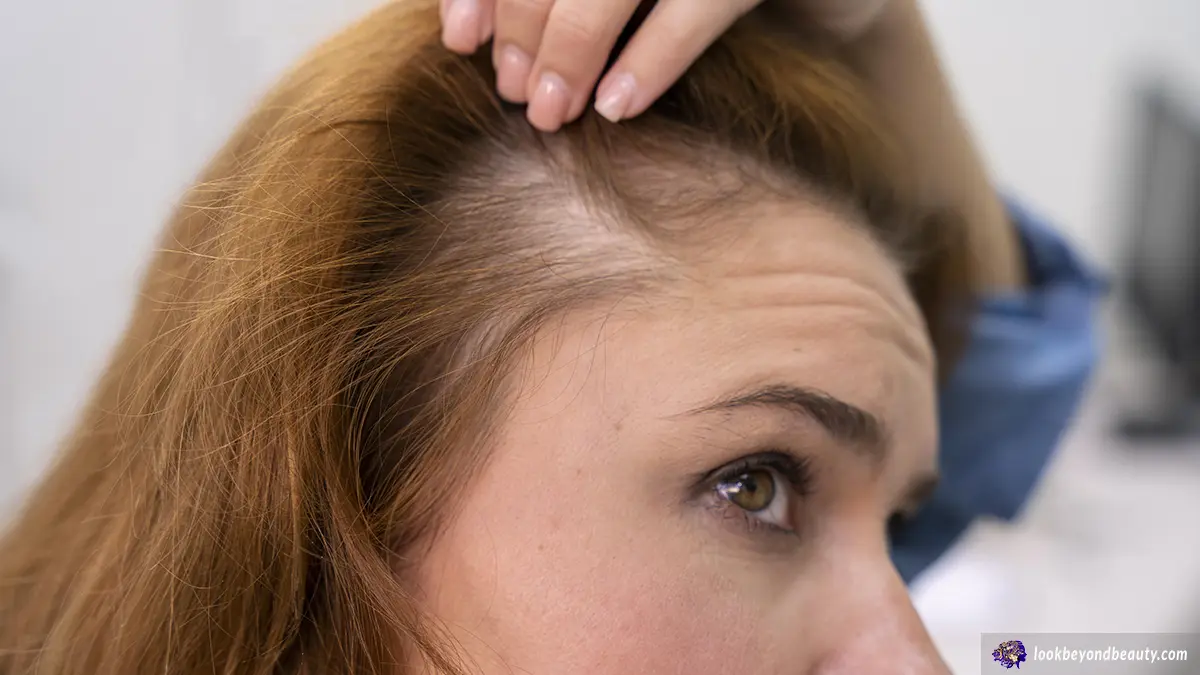

Noticing more hair than usual in your brush, seeing extra strands in the shower, or realizing that your part looks wider than it once did can be concerning. One of the first questions many women ask is, “Why is my hair thinning?”
Hair thinning can happen for many reasons, and the answer isn’t always as simple as changing your shampoo or adding a new hair growth product to your routine. Your scalp health, nutrition, hormones, stress levels, styling habits, and overall wellness can all influence how your hair grows.


Why Is My Hair Thinning?
Understanding what may be contributing to the problem is an important first step toward finding the right solution. Here are four common causes of thinning hair that women sometimes overlook.
1. Stress Affecting Your Hair Growth Cycle
Stress doesn’t just affect how you feel emotionally. Significant physical or emotional stress can also disrupt the normal hair growth cycle. Hair follicles naturally move through periods of growth, transition, rest, and shedding. After a stressful event, illness, major life change, surgery, or rapid weight loss, more hairs than usual may enter the resting phase. This can eventually lead to noticeable shedding.
Shedding can appear weeks or even months after the stressful period, making the connection difficult to recognize. If you’ve recently found yourself wondering why is my hair thinning even though your haircare routine hasn’t changed, consider what was happening in your life several months earlier.
Reducing stress won’t necessarily produce an overnight change in your hair, but supporting your overall wellness through adequate sleep, balanced nutrition, physical activity, relaxation, and appropriate professional care can help create healthier conditions for your body and hair.
2. Your Diet May Be Missing Nutrients Your Hair Needs
Beautiful hair requires more than just hair products. Hair follicles rely on nutrients delivered from within the body to support normal growth. Protein, iron, zinc, vitamin D, B vitamins, and other nutrients all play roles in maintaining healthy hair and scalp function. Restrictive diets, poor nutrition, sudden weight loss, digestive problems, or simply not eating a varied diet may contribute to nutritional deficiencies. Because hair isn’t essential for survival, the body can prioritize available nutrients for more critical functions when nutritional resources are limited.
Hair changes may therefore be one of the outward signs that something deserves closer attention. Instead of immediately begin taking multiple supplements, evaluate your overall nutrition. And when appropriate, discuss testing or nutritional concerns with a qualified healthcare professional.
3. Hormonal Changes Affecting Hair Density
Hormones can have a powerful influence on hair. Women may experience changes in hair density during or after pregnancy, perimenopause, menopause, or other periods when hormone levels fluctuate. Thyroid-related problems and other medical conditions involving hormones may also affect the normal hair growth cycle.
Hormonal hair thinning often develops gradually. You may notice that your ponytail feels smaller, your scalp is becoming more visible, or your part appears wider than it did several years ago. This is one reason the question “why is my hair thinning?” sometimes requires looking beyond the hair itself.
4. Too Much Tension From Hairstyles
Protective styles can be beautiful and convenient, but a style isn’t truly protective if it consistently places excessive tension on your hair follicles. Tight braids, ponytails, weaves, extensions, and other styles that repeatedly pull on the hair can contribute to breakage. In some cases, even traction-related hair loss.
The hairline and temple areas are especially vulnerable. Warning signs can include soreness after styling, small bumps around the hairline, broken hairs, thinning edges, or a feeling that the hairstyle is uncomfortably tight.
If you regularly wear protective styles, give your natural hair and scalp appropriate care between installations. Avoid excessive tension and communicate with your stylist if a style feels painful or unusually tight. After all, hair should never have to suffer for a hairstyle to look beautiful.
When Is Hair Shedding Considered Normal?
Some shedding is a normal part of the hair growth cycle. Everyone naturally loses hair as older strands complete their cycle and new hairs begin growing. What deserves attention is a noticeable change from what’s normal for you.
Consider seeking professional guidance if you notice:
- A rapidly widening part
- Visible patches of hair loss
- Significant thinning around the temples or hairline
- Persistent scalp itching, burning, tenderness, or flaking
- A dramatic increase in shedding
- Hair thinning that continues for several months
- Significant changes in the texture or density of your hair
Sudden or severe hair loss, particularly when accompanied by other physical symptoms, should also be discussed with an appropriate healthcare professional.
The Importance of Identifying the Cause
The internet is filled with advice about hair growth. Unfortunately, a recommendation that works beautifully for one person may have little benefit for someone else. That’s because successful hair and scalp care starts with understanding the individual.
When a client asks me why is my hair thinning, I don’t believe the first step should be automatically recommending the latest trending product. It’s important to consider the bigger picture. For example, the condition of the hair and scalp, haircare practices, lifestyle, nutrition, history, and other factors that may be contributing to the concern.
This more comprehensive approach can help identify areas that deserve attention and create a plan based on the individual’s needs rather than guesswork.
Look Beyond the Surface of Hair Loss
If you’ve been searching online for why is my hair thinning, you’ve probably discovered dozens of possible explanations. And even more products promising to solve the problem. The goal shouldn’t be to try everything, but rather to better understand your hair.
At Look Beyond Beauty, we take a comprehensive approach to hair and scalp wellness by looking beyond what’s visible on the surface. A professional evaluation can help identify concerns affecting your hair and scalp and provide personalized recommendations based on your individual needs.
If you’re experiencing persistent thinning, excessive shedding, scalp concerns, or changes in your hair that you don’t understand, consider scheduling a consultation. Your hair may be telling you something. Sometimes the most important step is learning how to listen.
In Beauty & Wellness,
Marcey, Certified Health Coach & Trichologist
DISCLAIMER: The content in this blog is for informational purposes only. And not intended to diagnose, treat, cure, or prevent any medical condition or replace your healthcare professional’s advice and guidance. If you suspect a medical condition, please seek medical attention immediately.
You may also enjoy reading: Medical Wigs for Hair Loss
Related Posts
Medical Wigs for Hair Loss: Benefits and What to Expect
Whether caused by a medical condition, chemotherapy, alopecia,…
Different Types of Alopecia: Causes, Symptoms and Treatments
When you don't know why hair loss is…