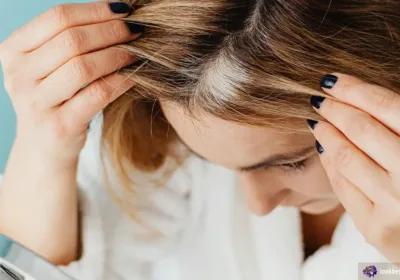
Different Types of Alopecia: Causes, Symptoms and Treatments
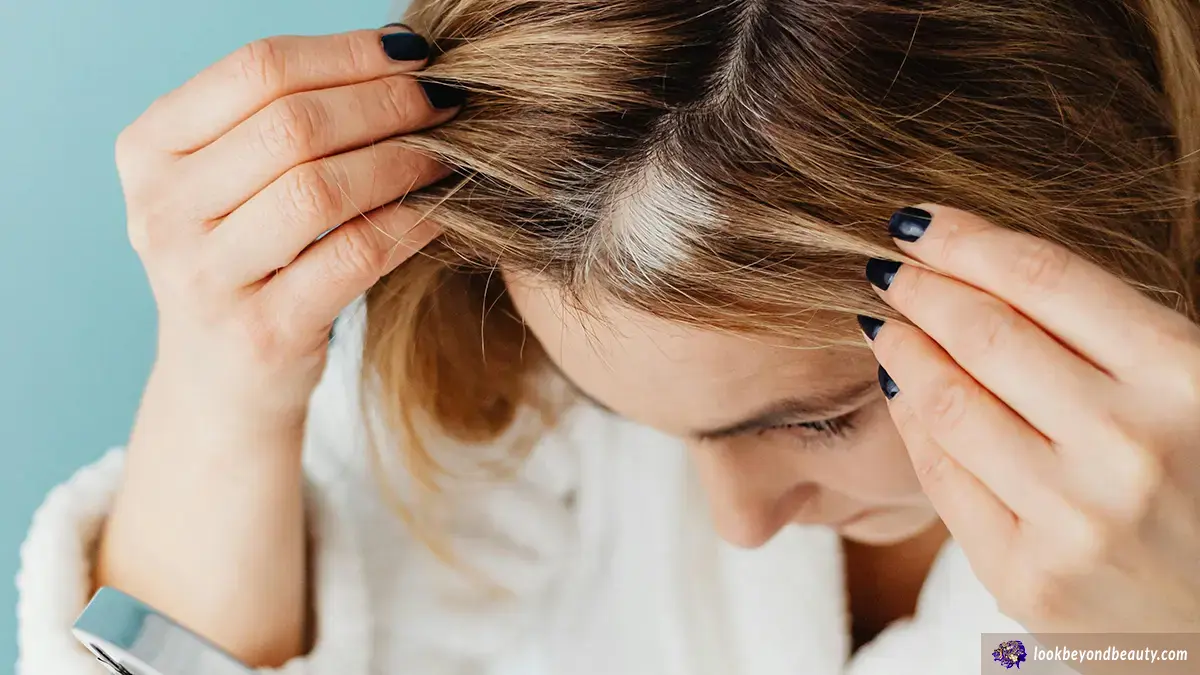

When you don’t know why hair loss is happening, it can be trusting and confusing. Add to that misconceptions such as all hair loss is the same, and overwhelm sets in. The truth is, there are several different types of alopecia, each with its own causes, symptoms, and treatment options.
Understanding which alopecia type you may be experiencing is one of the most important first steps to finding the right solution. But the good news is that many forms of alopecia can be managed, and today’s hair restoration options offer even more hope.


What Is Alopecia?
Alopecia is the medical term for hair loss. It can affect the beard, eyelashes, eyebrows, scalp, or other areas of the body. Some people experience gradual thinning over many years, while others may lose hair suddenly.
The severity varies from person to person. Some forms are temporary, while others may be permanent. Because there are many different categories of alopecia, getting an accurate diagnosis is essential before beginning treatment.
Different Types of Alopecia
Let’s take a closer look at the different types of alopecia, what causes them, and what treatments may help.
1. Androgenetic Alopecia
Androgenetic alopecia is the most common form of hair loss. It’s often referred to as male pattern baldness or female pattern hair loss.
Common symptoms include:
- Gradual thinning on the crown
- Receding hairline in men
- Widening part in women
- Progressive hair loss over time
Possible treatments:
- Hair prostheses for advanced hair loss
- Low-level laser therapy
- Hair restoration procedures
- Prescription medications
- Minoxidil
2. Alopecia Areata
Alopecia areata is an autoimmune condition in which the body’s immune system mistakenly attacks healthy hair follicles.
People typically notice:
- Hair loss on the scalp or beard
- Small, smooth, round bald patches
- Sudden hair loss
- Occasional regrowth followed by new episodes
- Hair regrowth but hair loss recurrence is common
Treatment may include:
- Topical medications
- Corticosteroid injections
- Immunotherapy
- Newer FDA-approved medications for certain cases
3. Alopecia Totalis
Alopecia totalis is a more advanced form of alopecia areata that results in complete loss of hair on the scalp.
Symptoms include:
- Total scalp hair loss
- Rapid progression
- Smooth scalp without scarring
Although treatment success varies, dermatologists may recommend immune-modulating medications or other therapies depending on the individual case.
4. Alopecia Universalis
Among the most severe different types of alopecia is alopecia universalis. This condition causes complete loss of hair over the entire body, including scalp, eyebrows, eyelashes, facial hair, arm and leg hair. Because this is an autoimmune condition, treatment focuses on controlling the immune response and helping stimulate hair regrowth when possible.
5. Traction Alopecia
Traction alopecia develops from repeated pulling or tension on the hair. Common causes include tight ponytails, braids, and weaves when not worn or installed properly. Early treatment often involves changing hairstyles before permanent follicle damage occurs.
6. Traction Alopecia
Medically known as cicatricial, scarring alopecia is less common but generally more serious. Symptoms may include redness, burning, itching, pain, and permanent hair loss. Because permanent damage can occur quickly, prompt diagnosis by a dermatologist is extremely important.
7. Telogen Effluvium
Telogen effluvium is one of the most common temporary forms of hair loss. It usually occurs after a physical or emotional stressor such as surgery, illness, childbirth, high fever, significant weight loss, or severe emotional stress.
Instead of isolated bald patches, people typically notice increased hair shedding throughout the scalp. Fortunately, hair often begins growing back once the underlying cause has resolved.
8. Anagen Effluvium
Anagen effluvium occurs when hair follicles are interrupted during their active growth phase. It’s most commonly associated with chemotherapy, certain medications, toxic chemical exposure, or radiation therapy. Hair loss can occur rapidly but often regrows after treatment ends, although the timeline varies depending on the cause.
What Causes Alopecia?
The different types of alopecia have many possible causes, including:
- Scalp disorders
- Physical trauma to the hair
- Certain medications
- Stress
- Nutritional deficiencies
- Medical conditions
- Hormonal changes
- Autoimmune diseases
- Genetics
Sometimes several factors contribute at the same time, making professional evaluation especially valuable.
How Is Alopecia Diagnosed?
A dermatologist or hair loss specialist may use several methods to determine which type of alopecia is present. For example, blood tests, dermoscopy, medical history review, physical scalp examination, or scalp biopsy when necessary. An accurate diagnosis helps determine which treatment options are most likely to be effective.
Treatment Options for Different Types of Alopecia
Treatment depends entirely on the specific diagnosis. Options may include:
- Medical-grade wigs and cranial prostheses
- Hair transplantation for appropriate candidates
- Lifestyle and nutritional changes
- Platelet-rich plasma (PRP)
- Low-level laser therapy
- Steroid injections
- Topical treatments
- Prescription medications
Because every person experiences alopecia differently, treatment plans should always be personalized.
Compassionate Support at Look Beyond Beauty
Hair loss affects far more than appearance, it also can impact confidence, emotional well-being, and daily life. That’s why having a compassionate expert by your side can make all the difference.
At Look Beyond Beauty, Marcey Grant understands that every client’s hair loss journey is unique. She takes the time to listen, educate, and help clients explore personalized solutions that fit their lifestyle and individual needs. Whether someone is experiencing temporary shedding, an autoimmune condition, or long-term hair loss, Marcey provides a welcoming environment where clients can feel understood rather than judged.
Through personalized consultations and high-quality hair replacement solutions, Look Beyond Beauty helps clients regain confidence while navigating the challenges that come with the different types of alopecia.
If you are experiencing hair loss of any form, contact Marcey Grant today for a scalp and hair assessment.
In Beauty & Wellness,
Marcey, Certified Health Coach & Trichologist
DISCLAIMER: The content in this blog is for informational purposes only. And not intended to diagnose, treat, cure, or prevent any medical condition or replace your healthcare professional’s advice and guidance. If you suspect a medical condition, please seek medical attention immediately.
You may also enjoy reading: Best foods for hair growth
Related Posts
Why Is My Hair Thinning? Causes Women Often Overlook
Noticing more hair than usual in your brush,…
Medical Wigs for Hair Loss: Benefits and What to Expect
Whether caused by a medical condition, chemotherapy, alopecia,…