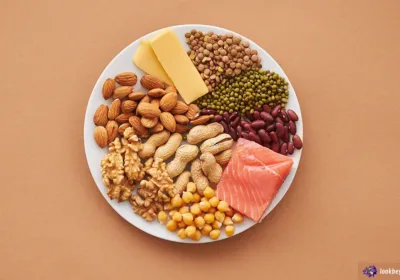
Whole Foods Diet
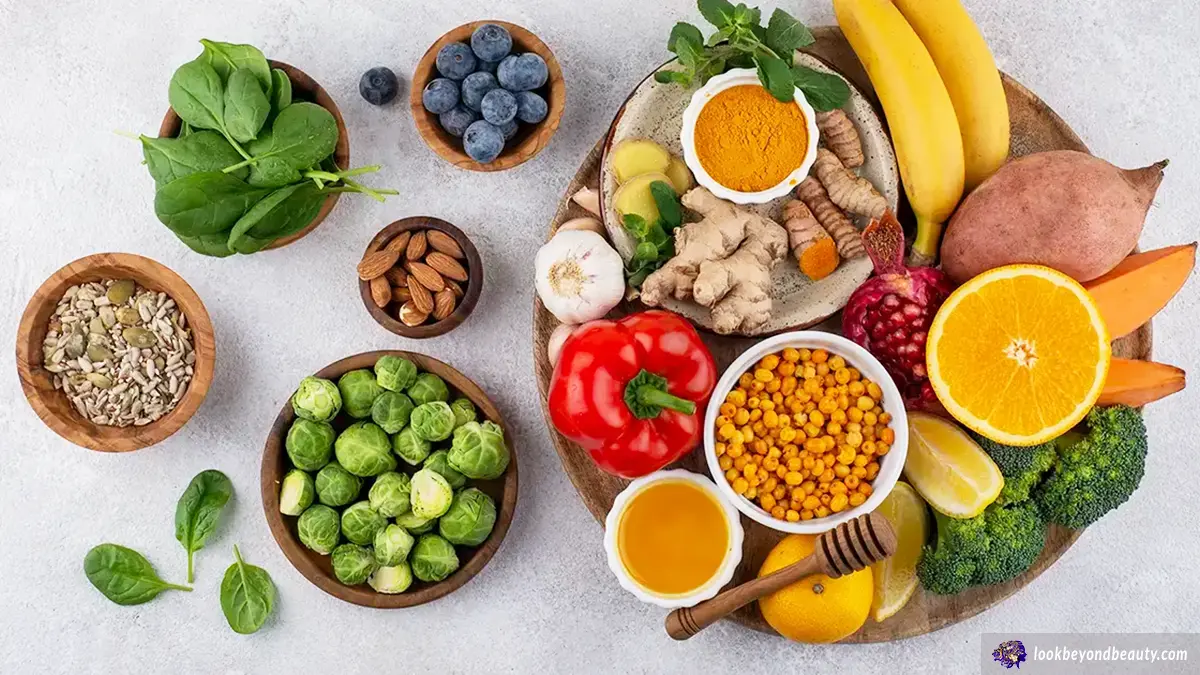

A whole foods diet contains any foods that have not been processed, packaged or altered in any way from their natural state. The more we learn about nutrition, the more it seems we should eat the way people did centuries ago.


The Nutritional Value of Whole Foods
The nutrient density of Whole foods make them rich in essential nutrients without empty calories, thus promoting overall health. Their natural fiber aids digestion, heart health, and weight management.
Whole foods also contain antioxidants that combat free radicals, reducing the risk of chronic diseases. They also support a healthy gut microbiome, benefiting the immune system and mental well-being. With all of these positive factors, it’s clear that a whole foods diet is the obvious choice for good living.
4 Ways to Add Whole Foods to Your Diet
Adding whole foods to your diet like fruits, vegetables, nuts, and whole grains, can be achieved by starting with small, consistent changes. Focus on swapping processed snacks for whole options. Also increase vegetable intake, cooking more at home, and prioritizing whole-food staples like brown rice, beans, and healthy fats.
4 Actionable ways to add whole foods:
Easy Swaps: Replace sugary cereal with oatmeal, processed snacks with raw nuts or fruit, and refined pasta with whole-wheat options.
Increase Produce: Fill half your plate with vegetables at lunch and dinner. Buy pre-chopped vegetables or bagged salads for convenience.
Use Healthy Fats: Choose olive oil, avocado oil, or whole avocados over processed vegetable oils.
Plant-Based Focus: Try incorporating legumes (beans, lentils) and nuts as primary protein sources to increase fiber and nutrients.
Processed Foods vs Whole Foods
Processed foods are items like cookies, hot dogs, chips, pasta, cheese, and ice cream which have very little nutritional value. On the other hand, whole foods such as fruits, vegetables, legumes, nuts, and whole grains retain their fiber. They also include a host of beneficial nutrients and phytochemicals that are generally removed in processed foods.
For these reasons, many health experts believe that eating more wholes is a great way to prevent diseases and improve health. Moreover, whole foods are crucial because they contain all the vitamins and minerals that our bodies need. Because nutrients are retained, optimal absorption and nourishment is provided.
Final Thoughts
In order for your body to be as healthy as possible, it’s extremely important to include as many whole foods as possible in your diet. If you’re interested in improving your body inside and out, contact me today.
In Beauty & Wellness,
Marcey, Certified Health Coach & Trichologist
DISCLAIMER: The content in this blog is for informational purposes only. And not intended to diagnose, treat, cure, or prevent any medical condition or replace your healthcare professional’s advice and guidance. If you suspect a medical condition, please seek medical attention immediately.
You may also enjoy reading: 10 Simple Ways To Slow Down & Enjoy Life
Related Posts

5 Ways to Maximize Your Professional Haircare Products
Want to maximize your professional haircare products? It…