
Hydration 101: How to Drink Water the Right Way
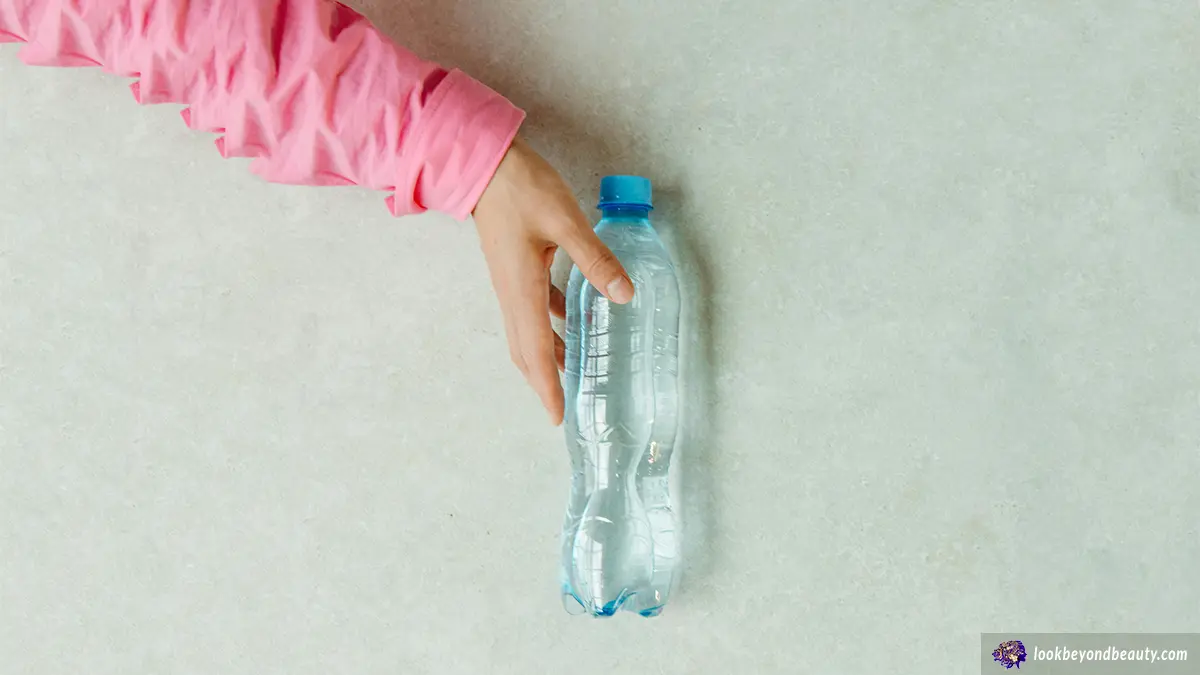

Water is essential for life, yet many people still feel confused about how much they should drink and when. Between the “8 glasses a day” rule and viral hydration hacks, it’s easy to overthink something that should be simple. This guide breaks down water drinking guidelines in a practical, realistic way so you can hydrate smarter, not harder.


Water Drinking Guidelines
Did you know that your body is made up of between 60-75% water? It’s no surprise that how much you drink can affect your health. Too much water could result in mineral imbalances, while too little could cause dehydration, headaches or fatigue. So, how much should you drink?
Bio-individuality applies not only to food but also to the amount of water our bodies need to function properly. On average, we should drink a minimal of 8 glasses of water each day.
However, one-size-fits-all approach doesn’t work when it comes to hydration. While general water drinking guidelines often suggest around 8 cups (64 oz) per day, your personal needs depend on several factors. For example body size and weight, activity level, climate and temperature, diet, and overall health.
Proper hydration helps:
- Regulate body temperature
- Support digestion and nutrient absorption
- Keep joints lubricated
- Improve focus and energy levels
- Flush out waste and toxins
Even mild dehydration can lead to headaches, fatigue, dizziness, and poor concentration. The goal isn’t just drinking water, it’s drinking it the right way.
Timing Matters: When to Drink Water
Hydration is not just about quantity, it’s also about when you drink fluids.
Morning Hydration
Drinking water shortly after waking helps rehydrate your body after hours without fluids and supports digestion and metabolism.
Throughout the Day
Sip consistently instead of chugging large amounts at once. Steady intake helps your body absorb and use water more efficiently.
During and After Exercise
Follow water drinking guidelines that recommend drinking before, during, and after workouts. If you exercise longer than an hour or sweat heavily, consider electrolytes to replace lost minerals.
Before Bed
A small glass is fine, but excessive water late at night may disrupt sleep due to frequent bathroom trips.
Making Hydration a Daily Habit
If you struggle to drink enough water, try these simple strategies and be consistent as it matters more than perfection.
- Keep a reusable water bottle nearby
- Set gentle reminders on your phone
- Flavor water naturally with lemon, cucumber, or berries
- Pair drinking water with habits (after bathroom breaks, before meals)
What Is the Best Type of Water to Consume?
The best” water is safe, accessible, and preferred by you. However, not all water is created equal.
Tab Water
Although the most readily available, may not always be the safest option. Some cities have very good purification systems, while others leave traces of chlorination by-products, lead and sometimes bacteria. Research your city’s Consumer Confidence Report distributed every year by the Environmental Protection Agency. It shows if additional home purification is warranted. Water filters can help to remove contaminants when environmental toxins pose a threat to water systems. So, it’s important to know which contaminants are present in your water in order to choose the right filter.
Distilled Water
A process consisting of boiling water, has also been found to remove impurities and toxins. However, some believe the naturally occurring minerals in non-distilled water are beneficial to health.
Bottled Water
Bottled water has is a popular option for individuals without access to safe tap water. But there are growing concerns about chemicals from the plastic seeping into the water, as well as the effects that the increasing number of bottles is having on the environment.
Final Thoughts
Hydration doesn’t have to be complicated. By following smart, flexible water drinking guidelines, you can support your body’s natural functions and feel better every day. Drink consistently, listen to your body, and adjust based on your lifestyle. Your health will thank you.
In Beauty & Wellness,
Marcey, Certified Health Coach & Trichologist
DISCLAIMER: The content in this blog is for informational purposes only. And not intended to diagnose, treat, cure, or prevent any medical condition or replace your healthcare professional’s advice and guidance. If you suspect a medical condition, please seek medical attention immediately.
You may also enjoy reading: Wheat-Free Almond Pancakes
Related Posts

Heart-Heathy Morning Habits for a Longer, Healthier Life
Your heart works around the clock, beating about…

Decoding Food Labels for Your Beauty and Health
At Look Beyond Beauty, we believe true beauty…
Culinary Wellness for Long-Term Health and Vitality
Most people who are concerned about their diet…