
Hair Care Practices Around the World and What We Can Learn From Them
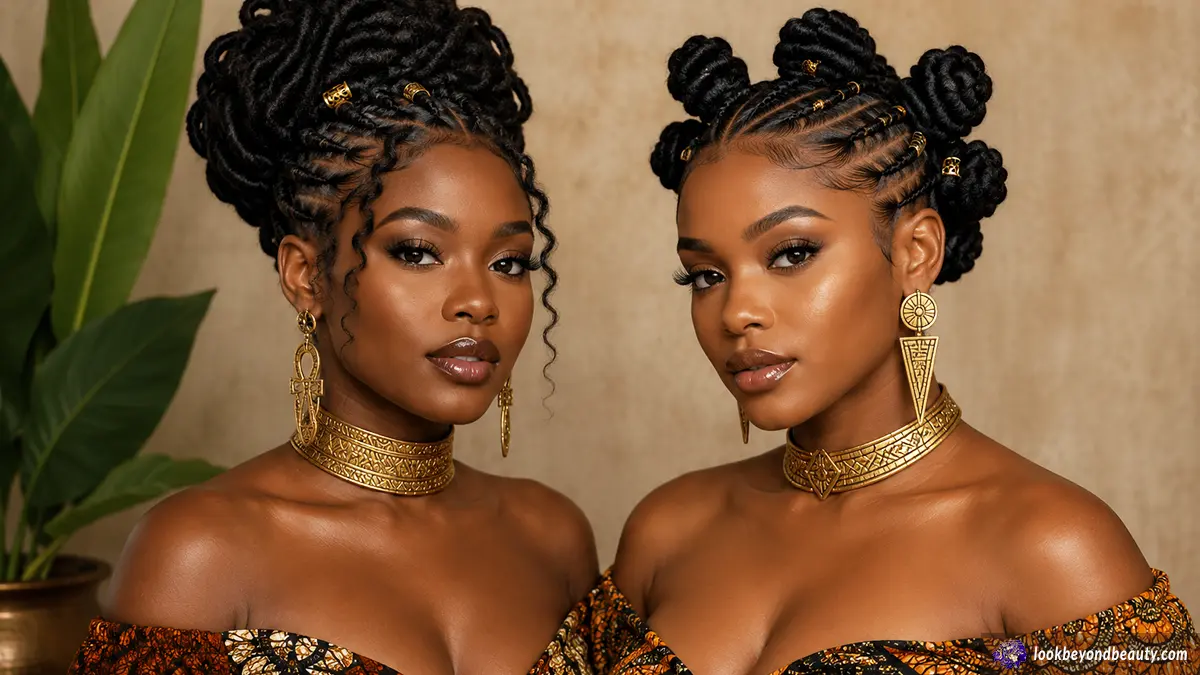

In addition to being deeply cultural, hair is also personal. From wellness philosophies lifestyle, and heritage, women across continents have developed unique beauty rituals. Scandinavians have minimalist hair routines, India glories in nourishing scalp oils. These traditions and others prioritize long-term hair health rather than quick fixes.
To that end, women today are interested in mindful beauty and wellness-centered routines. That growing interest is one reason why conversations about hair care practices around the world continues to resonate. At Look Beyond Beauty, founder Marcey Grant encourages women to think beyond trends and focus on wellness practices that support confidence, self-care, and overall health.


Hair Care Practices Around the World
Hair first served practical purposes like warmth and protection, but over time it became a powerful expression of culture, identity, religion, gender, and heritage. Hair care practices around the world are shaped by traditions and customs, using local ingredients, and generations of shared beauty rituals.
Around the world, women care for and style their hair using traditions shaped by local ingredients, customs, and generations of shared beauty rituals. From Africa to Japan to Morocco, these practices reflect both cultural history and personal identity.
1. Scalp Oiling in India
In India, hair oiling has been practiced for centuries as both a beauty ritual and a wellness practice. Oils such as coconut, amla, neem, and bhringraj are massaged into the scalp to nourish the hair and support relaxation. Many women view the ritual as more than cosmetic care. It is often connected to stress relief, family traditions, and self-care.
Popular hair care brands have recently embraced scalp treatments and oil-based products, but these methods have long been part of Indian beauty culture. The growing popularity of scalp health in Western beauty routines shows how global traditions continue to influence the beauty industry.
2. Japanese Simplicity and Balance Hair Care
Japanese beauty routines often focus on balance, consistency, and gentle care. Many women in Japan prioritize lightweight products, scalp cleansing, and protective habits that help maintain shine and softness over time.
Rather than relying on excessive styling, the emphasis is placed on healthy hair foundations. Rice water treatments, botanical ingredients, and careful cleansing techniques have remained popular for generations. This approach reflects a broader wellness mindset that values prevention and long-term care.
3. African Protective Styling and Natural Ingredients
As one of the most unique hair care practices around the world, many African cultures’ hair care is strongly tied to identity, artistry, and heritage. Protective styles such as braids, twists, and wraps help reduce breakage while also celebrating cultural expression.
Natural ingredients like shea butter, castor oil, and aloe vera are commonly used to moisturize and strengthen textured hair. These traditions highlight the importance of respecting natural hair patterns and focusing on nourishment instead of harsh treatments. Women today are embracing these hair care routines inspired by these longstanding practices.
4. Mediterranean Natural Oils Hair Care
In Mediterranean regions, olive oil has long been valued as both a culinary staple and a beauty essential. Women in countries such as Greece and Italy often use olive oil treatments to hydrate dry hair and improve shine.
The Mediterranean lifestyle also emphasizes whole foods, hydration, and reduced stress, all of which can influence hair health from within. This connection between nutrition and beauty has become important in modern wellness conversations.
5. Scandinavian Minimalism & Healthy Living
Scandinavian beauty culture often reflects simplicity and practicality. Women in Nordic countries tend to favor minimal styling, gentle ingredients, and routines that support natural texture rather than fighting against it.
Environmental factors also influence hair care habits. Cold climates can create dryness, leading many women to prioritize hydration and scalp protection. The Scandinavian approach reminds us that healthy hair does not always require complicated routines or excessive products.
What Global Hair Care Traditions Teach Us
One of the most interesting things about hair care practices around the world is how many traditions focus on wellness instead of perfection. Whether through nourishing oils, protective styling, or gentle cleansing routines, many cultures approach hair care as part of overall well-being.
That philosophy aligns closely with the message shared by Marcey Grant through Look Beyond Beauty. That is, beauty is not only about appearance. It is also about health, confidence, mindfulness, and caring for yourself in sustainable ways.
Key Takeaways
Hair trends may come and go, but many global beauty rituals have remained meaningful for generations. The growing appreciation for hair care practices around the world reflects a broader shift toward mindful beauty and self-care.
By learning from different cultures and wellness traditions, women can create routines that support both healthy hair and overall well-being. Sometimes the best beauty advice is not about doing more but rather returning to simple practices that have stood the test of time.
In Beauty & Wellness,
Marcey, Certified Health Coach & Trichologist
DISCLAIMER: The content in this blog is for informational purposes only. And not intended to diagnose, treat, cure, or prevent any medical condition or replace your healthcare professional’s advice and guidance. If you suspect a medical condition, please seek medical attention immediately.
You may also enjoy reading: Wellness Benefits of Protecting Your Time
Related Posts
Dry Scalp vs. Dandruff: How to Tell the Difference
You notice flakes on your shoulders and immediately…

Best Foods for Hair Growth: What to Eat if You’re Experiencing Hair Loss
Hair health starts from within. Your daily nutrition…

How Summer Heat Damages Your Hair & Scalp and How to Restore Healthy Moisture
Summer season is one of the best times…