
Best Nutrients for Hair Growth (according to experts)
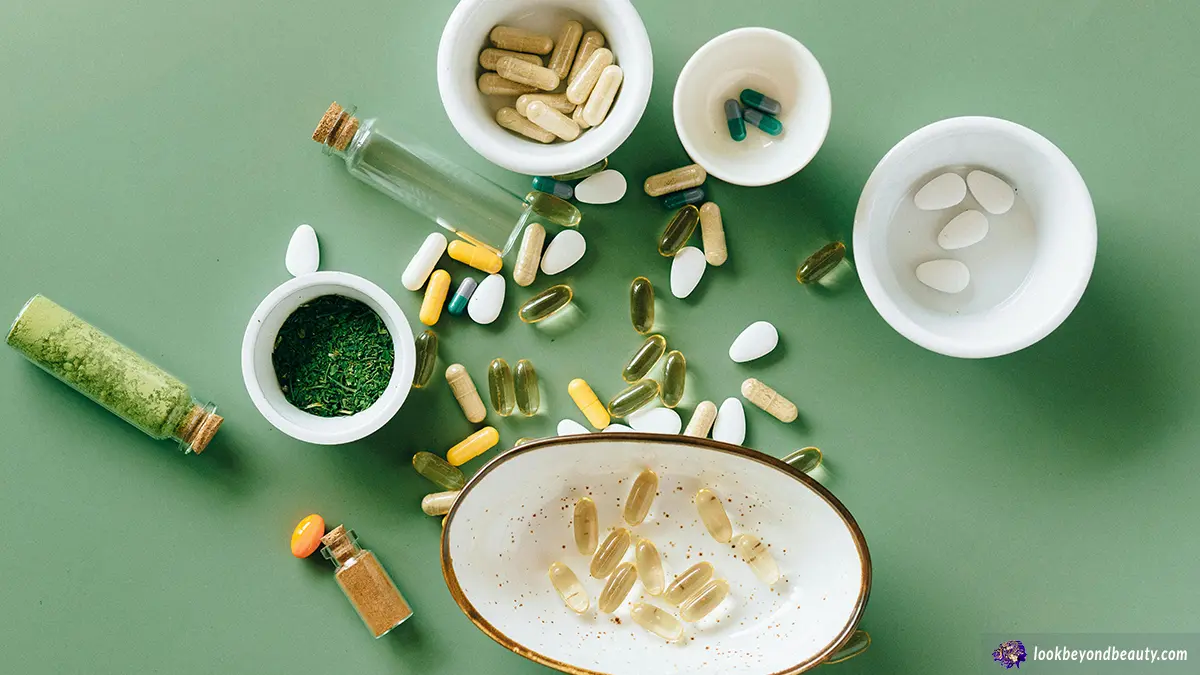

If you want to know the best nutrients for hair growth, truth is, all essential amino acids are vital nutrients for overall health and healthy hair. But to achieve stronger, thicker hair, it starts from within; not not using products. In fact, nutrition plays a crucial role in how your hair grows, sheds, and regenerates.
At Look Beyond Beauty, founder Marcey Grant emphasizes a holistic approach: true beauty is rooted in internal health. That means focusing on the nutrients your body actually needs to support healthy hair follicles rather than just chasing trendy supplements.
With this in mind, let’s explore what really matters.


Learn about detox smoothies, their positive effect on hair and skin health, plus recipes.
Why Nutrients Matter for Hair Growth
Some of the most fastest growing cells in the body are hair follicles. However, they are also highly sensitive to nutritional deficiencies. When your body lacks key vitamins or minerals, hair growth can slow, weaken, or even stop altogether.
Research shows that micronutrients (vitamins and minerals) play a critical role in the hair growth cycle and overall follicle health. What does this mean? If your body is not nourished, your hair won’t be either.
The Best Nutrients for Hair Growth
Here are the most important, science-backed nutrients to focus on:
1. B Vitamins (Biotin)
B vitamins, especially biotin, are essential for healthy hair growth, and deficiency will lead to thinning hair. But a biotin deficiency is extremely rare and is usually associated with an inherited metabolic disorder called biotinidase deficiency. Because biotinidase is an enzyme that recycles biotin, a deficiency prevents this process from happening. When left untreated, this deficiency can cause skin issues, hearing loss, and even developmental delays.
The purpose of biotin is to help produce red blood cells, which carry oxygen and nutrients to your scalp and follicles. More specifically, biotin (Vitamin B7) is commonly associated with hair growth, and is most helpful if you’re deficient.
Natural Resources:
Biotin deficiency is very rare, making biotin one of the best nutrients for hair growth. Anyone can fulfill their body’s need for this vitamin because it’s found in dairy products, oat and wheat cereals, eggs, rice, and several vegetables.
2. Vitamin D
Vitamin D supports healthy hair development and many physiological processes, so deficiency can have harmful effects. How deficiency affects hair growth is still unclear. But some studies report hair regrowth after correcting low Vitamin D levels. However, in regions like the northeastern United States, deficiency is common, and supplements rarely show clear benefits. Hair loss specialists often test Vitamin D levels and help patients restore normal levels for overall health benefits.
Natural Resources:
Vitamin D is mostly obtained through sunlight, fortified foods such as fatty fish, cheese, orange juice, and yogurt.
3. Zinc
As an essential trace element, zinc is also one of the best nutrients for hair growth. Zinc deficiency is associated with hair loss in infants with poor nutrition. Unfortunately, the role of zinc in most forms of hair loss is not well established.
Natural Resources:
Dark chocolate, nuts, fish, eggs, meat, and oysters.
4. Vitamin A
Vitamin A is an essential nutrient critical to immune function, growth, reproduction, gene expression, embryonic development, and normal vision. Deficiency can lead to excess keratin build up in hair follicles, causing rough, “gooseflesh” bumps.
Natural Resources:
Vitamin A is found in a variety of fruits and vegetables. For example, dried apricots, mango, cantaloupe, butternut squash, broccoli, kale, carrots, and spinach.
5. Vitamin C
Vitamin C helps your body absorb iron and supports collagen production, which strengthens hair structure and reduces breakage. This nutrient is required for certain neurotransmitters, biosynthesis of collagen, and L-carnitine. Collagen and other proteins are important for healthy hair growth. In addition, Vitamin C is instrumental in the absorption of plant-based iron, another nutrient for healthy hair growth.
Natural Resources:
Bell peppers, all citrus fruits, broccoli, tomatoes, strawberries, cantaloupe, green peas, potatoes, and brussels sprouts.
6. Vitamin E
Vitamin E is best known for its ability to reduce oxidative stress and as an antioxidant. Applying vitamin E may help hair growth by reducing oxidative stress in the scalp and increasing blood circulation, which supports follicle health. While evidence is limited, studies suggest it can improve hair density. It also acts as a moisturizer to reduce breakage and boost shine.
Natural Resources:
Some meats, fish, bell peppers, peanut butter, sunflower seeds, mangos, almonds, avocados, and wheat germ oil. However, rather large quantities of these foods would be required to satisfy daily needs, such as five avocados or ten mangos daily. For this reason, oral supplements are a simpler method for maintaining adequate daily needs.
The Holistic Approach (Marcey Grant’s Philosophy)
Marcey Grant advocates for a broader view of beauty, one that goes beyond surface-level fixes.
Instead of asking, “What pill will grown my hair faster?”, the better question is “Is my body getting what is needs to function optimally?”
That means eating nutrient-dense, Whole Foods, and managing stress which is a major contributor to hair loss. Avoid over reliance on quick fix supplements because hair growth is a health signal rather than just a beauty goal. That’s why experts, including voices aligned with Look Beyond Beauty, focus on nutrition first, supplementation second.
Final Thoughts
The best nutrients for hair growth are essential building blocks your body already depends on. If you align your nutrition with your body’s needs, healthier hair becomes a natural byproduct.
In Beauty & Wellness,
Marcey, Certified Health Coach & Trichologist
DISCLAIMER: The content in this blog is for informational purposes only. And not intended to diagnose, treat, cure, or prevent any medical condition or replace your healthcare professional’s advice and guidance. If you suspect a medical condition, please seek medical attention immediately.
You may also enjoy reading: The Secret of Folic Acid
Related Posts

A Hair Consultation Can Reveal More Than You Think About Your Hair Health
Have you ever looked in the mirror and…

Dry Scalp vs. Dandruff: How to Tell the Difference
You notice flakes on your shoulders and immediately…
Best Foods for Hair Growth: What to Eat if You’re Experiencing Hair Loss
Hair health starts from within. Your daily nutrition…